
September 2025
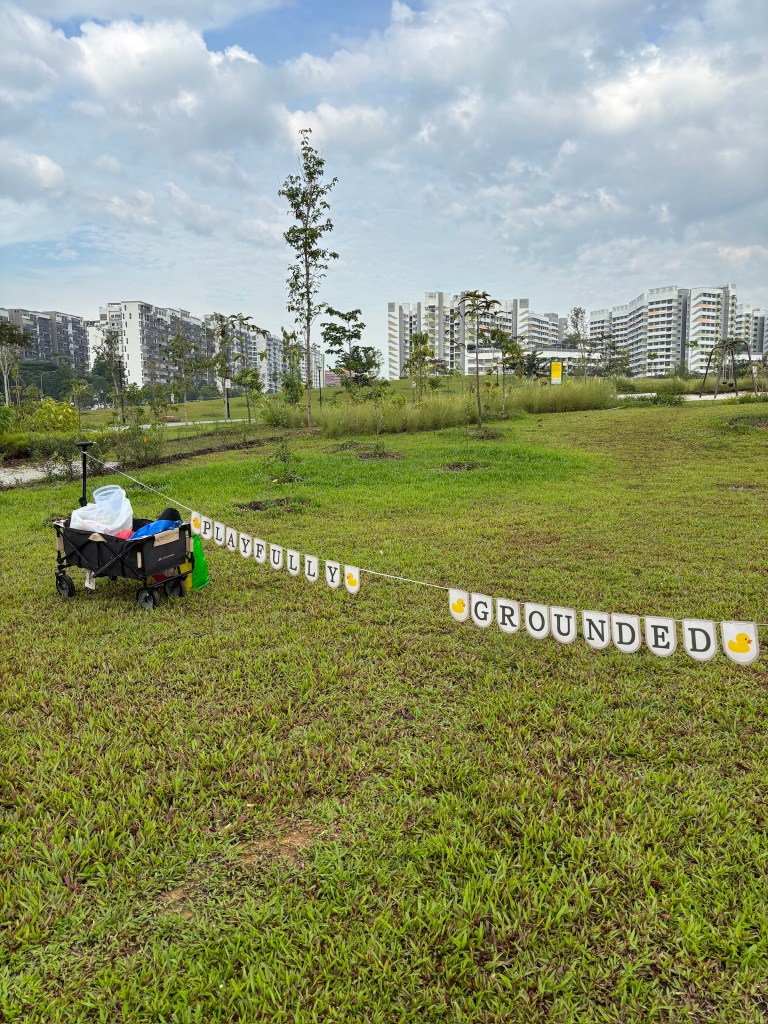
I always try to schedule in at least one outdoor activity during the school holidays. This time, we signed up with Playfully Grounded, who were running their Nature Scientists sessions at Tampines Eco Park. They offered two slots, but we managed to attend just one — 9am to 11am on a sunny morning.

We arrived at the open field next to the MRT train tracks, with the nature garden as a backdrop. The facilitators had already laid out a simple but inviting setup: mats on the grass, art & science materials ready and a free play corner for later.
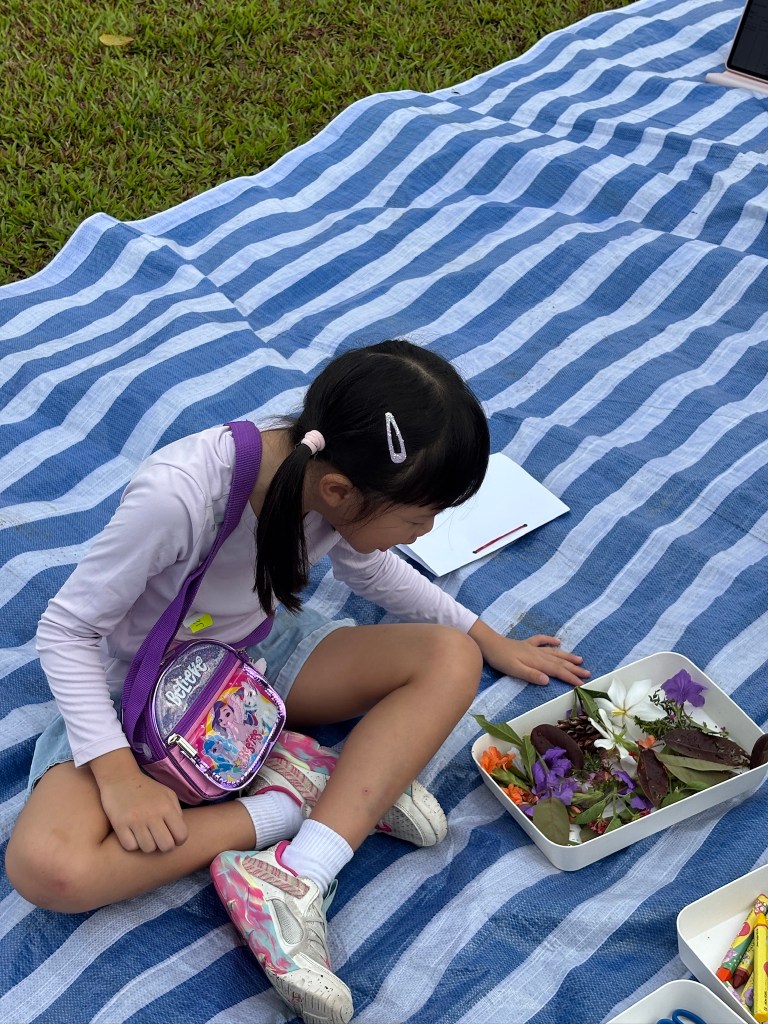


While waiting for everyone to arrive, the children were given handmade journals — blank white pages that the kids learnt to bind together with a twig and rubber band. J has been wanting to make handmade books for herself, and she was delighted to discover this new technique.
Once the group had gathered, the programme kicked off with a Twig Tower Challenge. The kids were split into two teams and tasked to build the tallest, most stable tower they could, using only twigs, soft clay and scavenged natural materials like flower petals and leaves.
The kids learnt to work together to brainstorm solutions together and tried ways to make their tower stand tall.
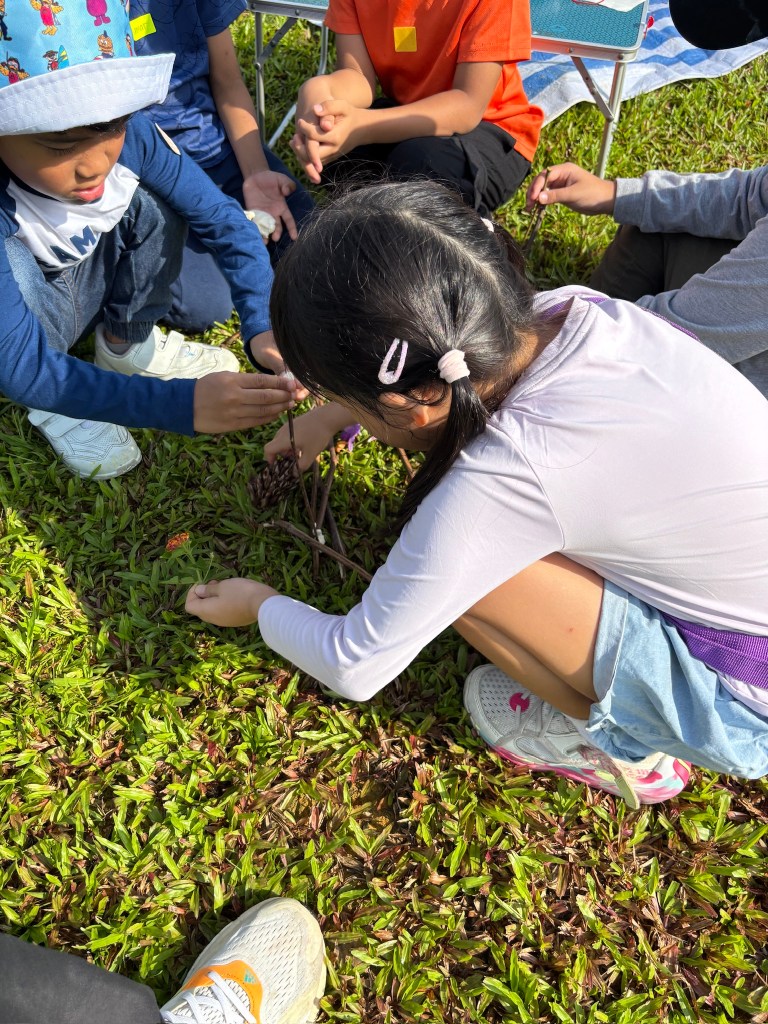


The tallest tower wins!
The winning team was delighted, while the losing team learnt how to lose graciously as they were encouraged to give the winners a big round of applause.
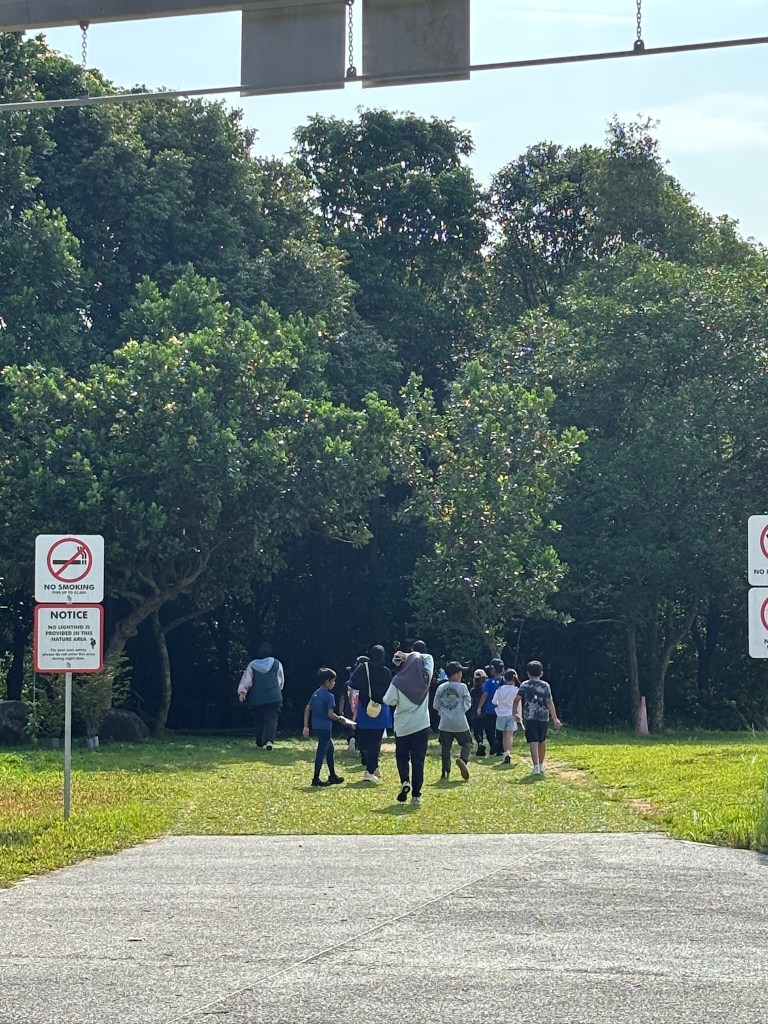
After that, the kids were led on a forest walk. On the walk, they spotted insects, unusual leaf patterns, and animal tracks along the way. The journals came in handy here too, as the kids collected natural materials, sketched and noted down their finds, just like field researchers.

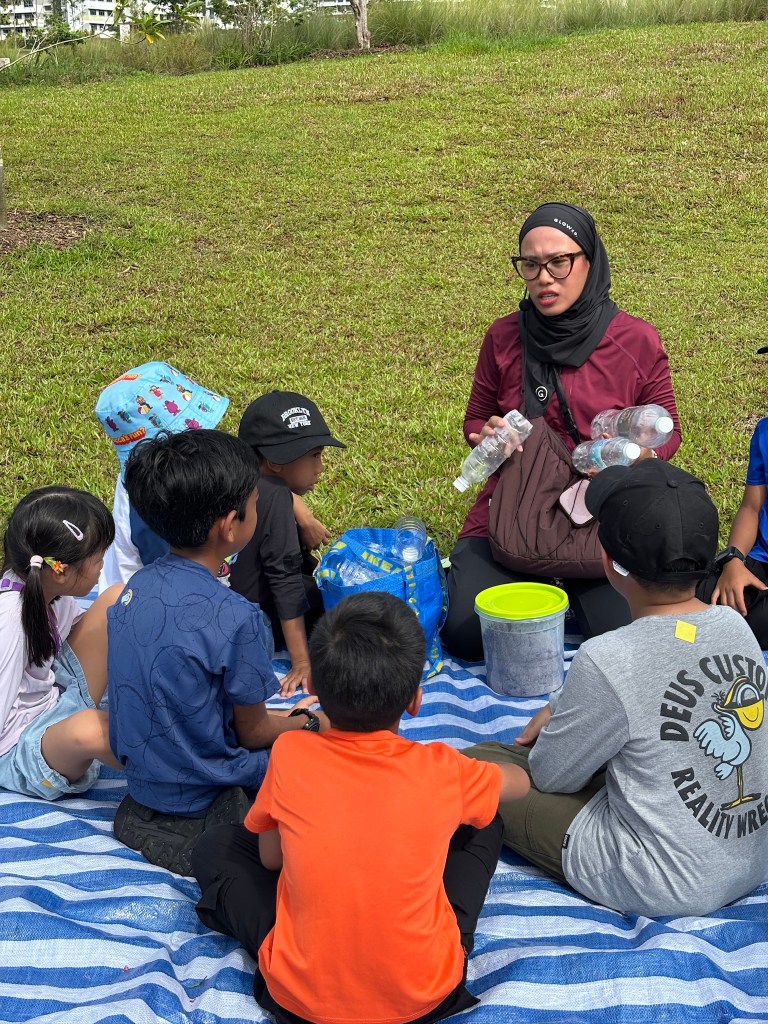
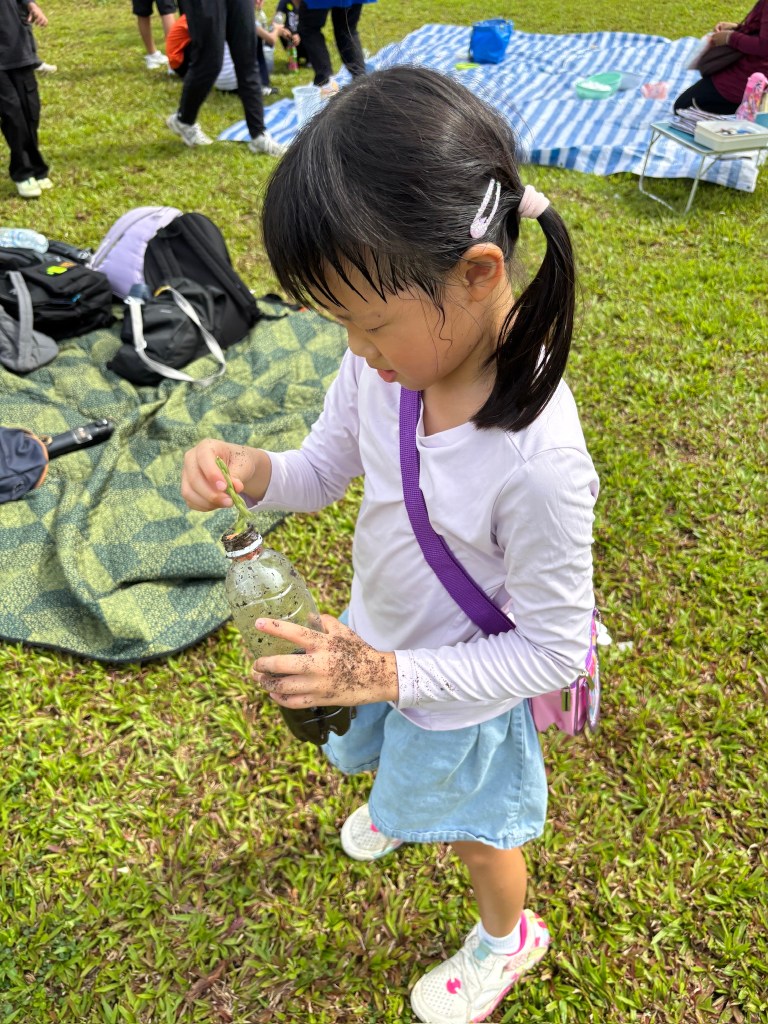
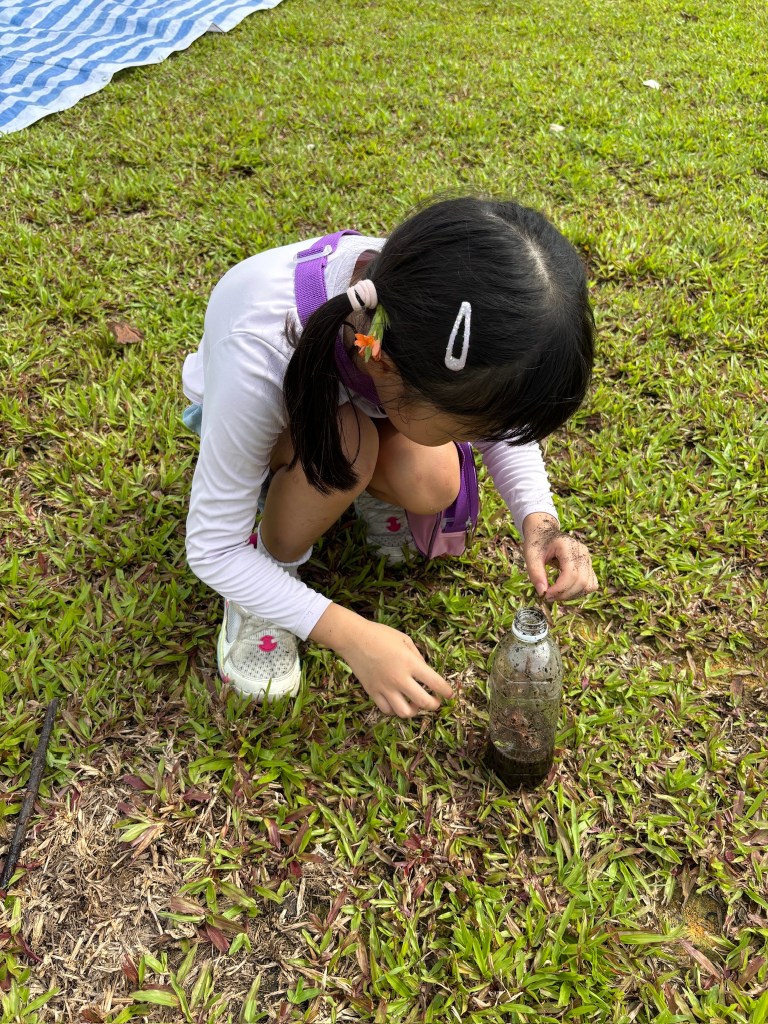
The highlight for many was the Water Filtration Challenge. First, the children gleefully mixed mud and dirt into bottles of water, imagining that this was the only water supply they had to survive in the wild. Their mission: make it drinkable.
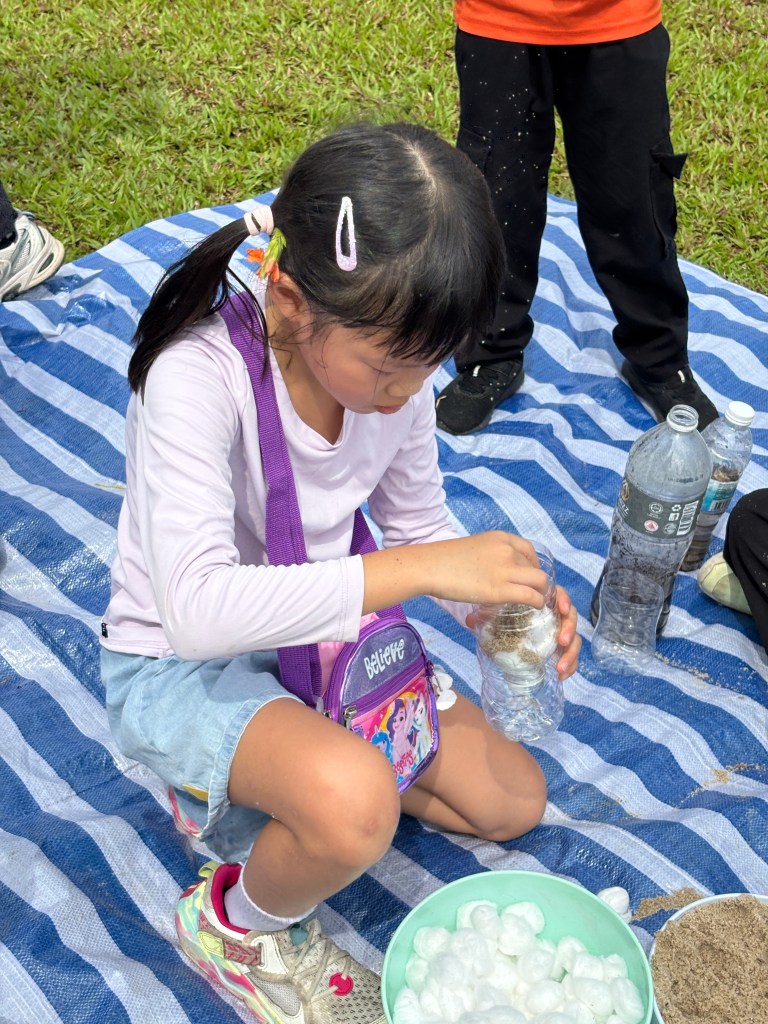
Armed with pebbles, sand, cotton wool, and leaves, they began to experiment. What would happen if the sand went first? Would leaves work better on top or at the bottom? They tried, tested, and adjusted, watching in fascination as murky water slowly trickled clearer through their makeshift filters. It was never perfectly clean, but clean enough to show that science often works best through play, persistence and plenty of trial and error.
At the end of the session, there was an open-ended play session to work off their remaining energy. They learnt about physics as they poured and scooped water and balanced materials like aluminium toy.
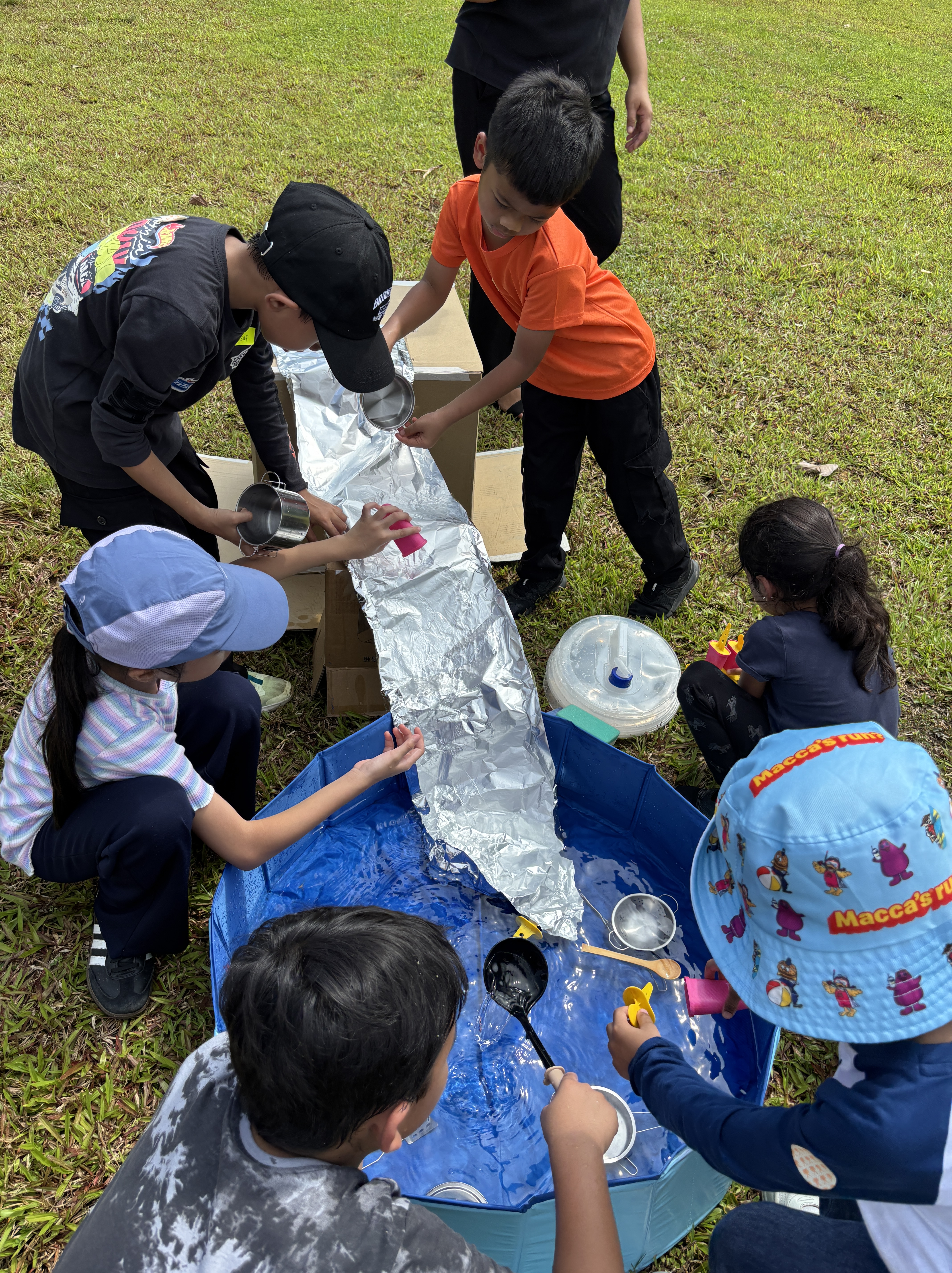
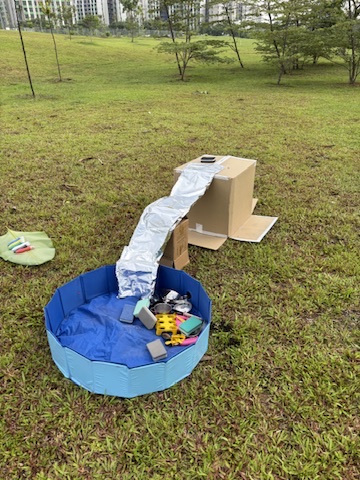

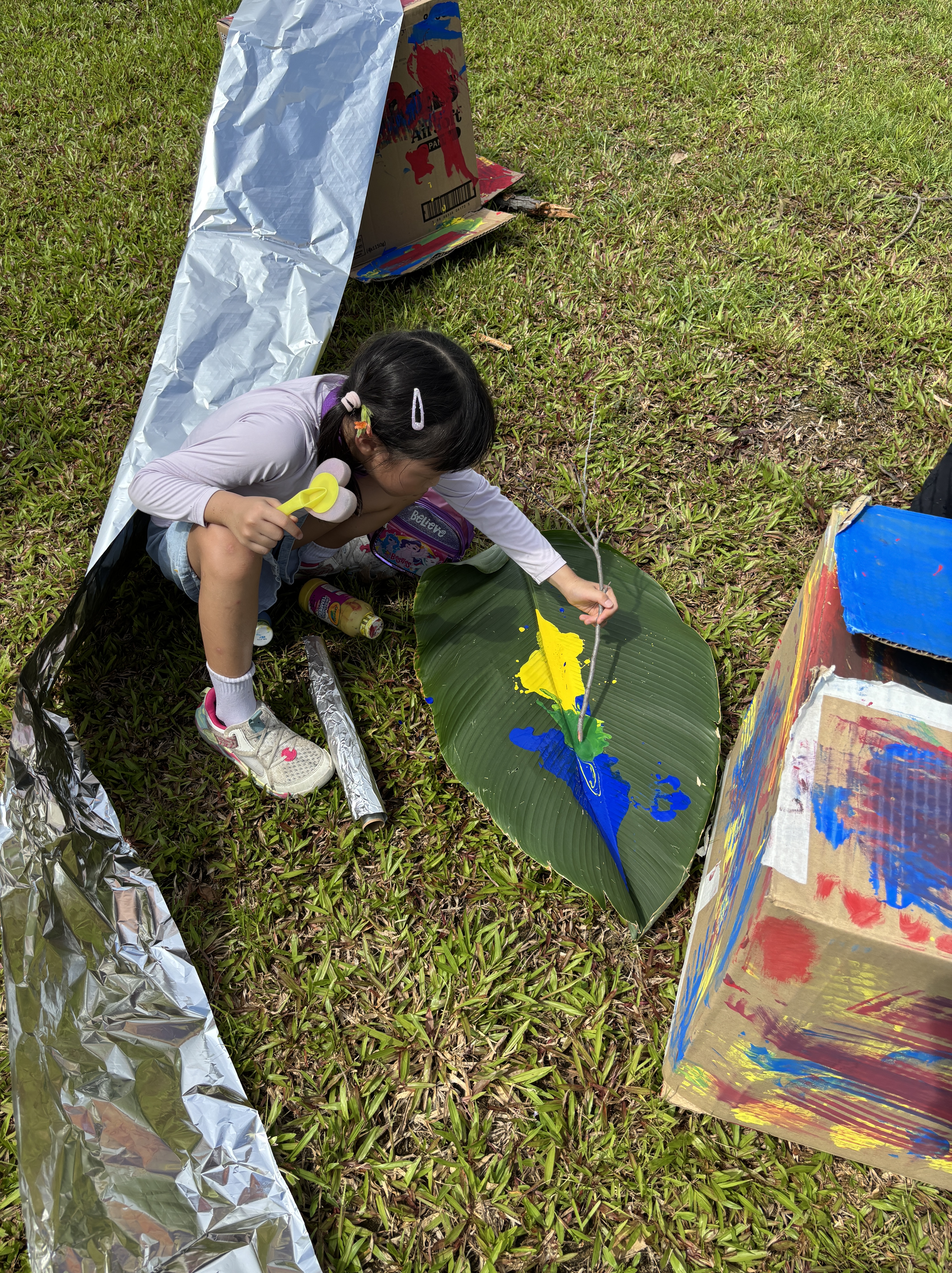
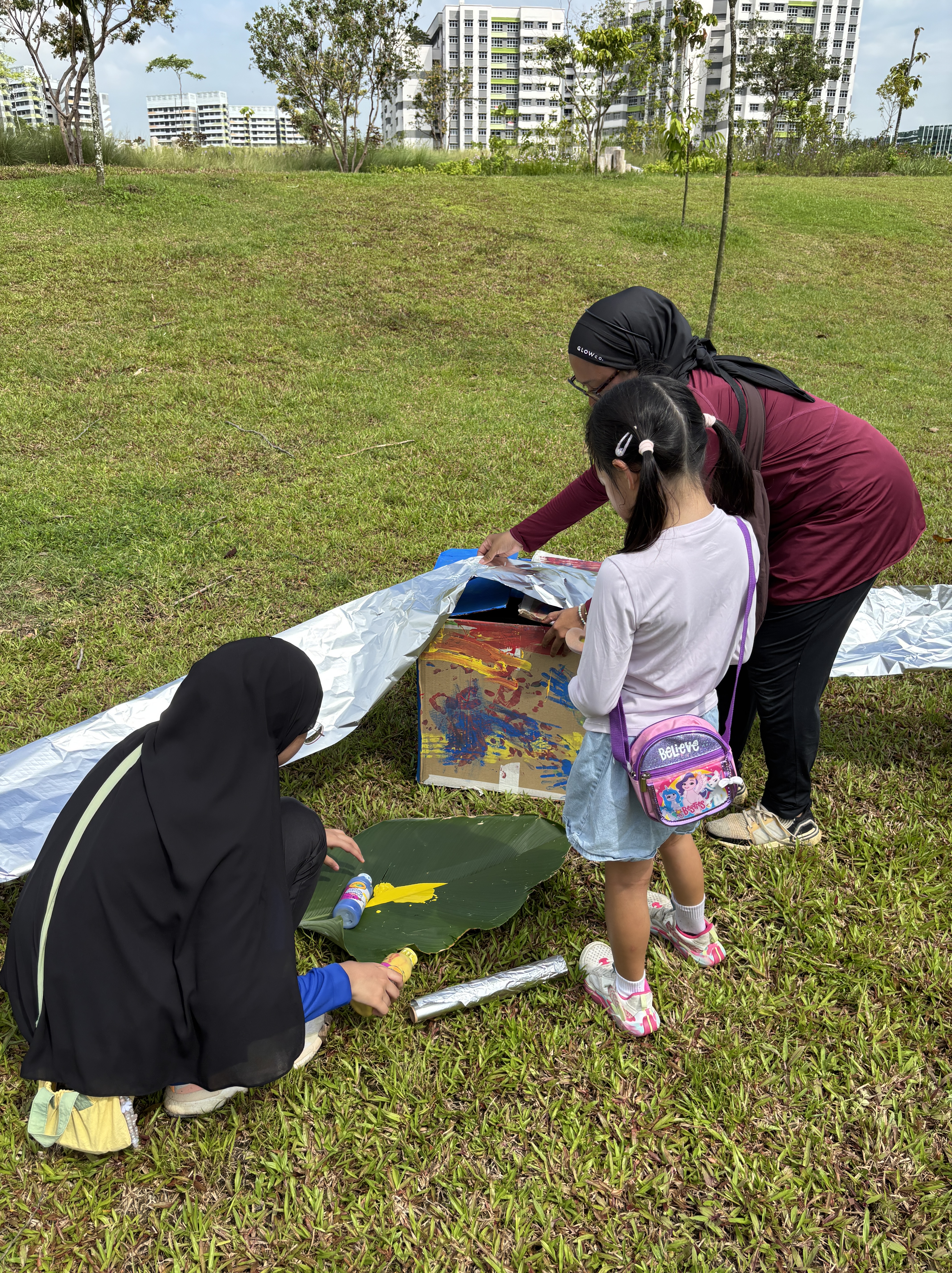
It reminded me again why I carve out these small windows of nature time during the holidays. Children don’t just need enrichment classes or screen breaks. They need fun, purposeful moments like these —running around on an open field, feeling mud between their fingers and discovering that the world is full of questions waiting to be asked.
Afterwards, the facilitators sent a PDF of Discovery Notes summarising the science concepts explored, the core values practiced, and even a few suggested conversation starters. I wasn’t expecting this, and it turned out to be such a helpful way to extend the learning beyond the session. Since parents don’t stay during the programme, it’s especially useful to have this kind of summary — it gives us a window into what the children experienced, and makes it easier to continue the conversations at home.
This is not a sponsored post — we paid for our own session.


 This Little Season