

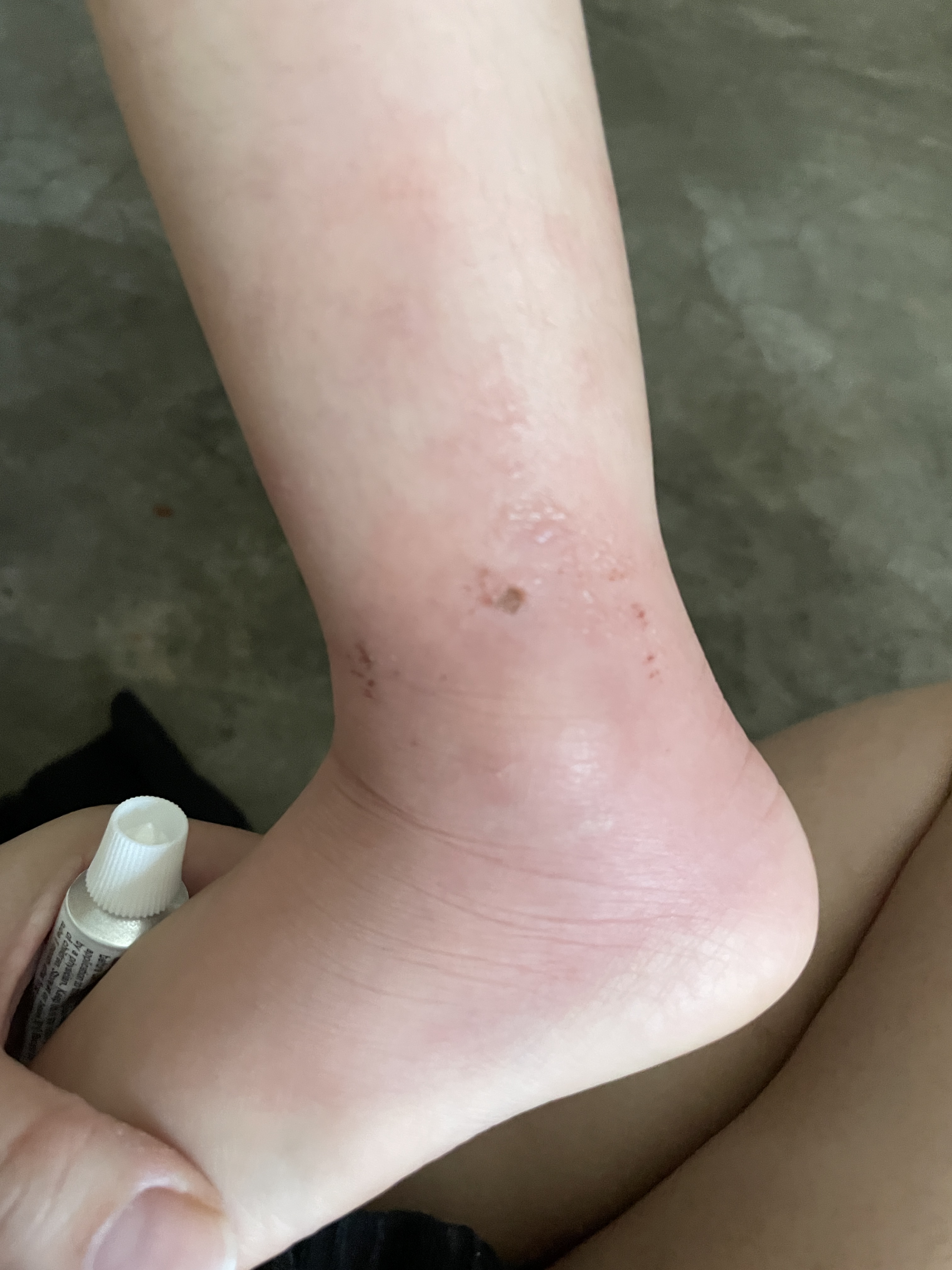
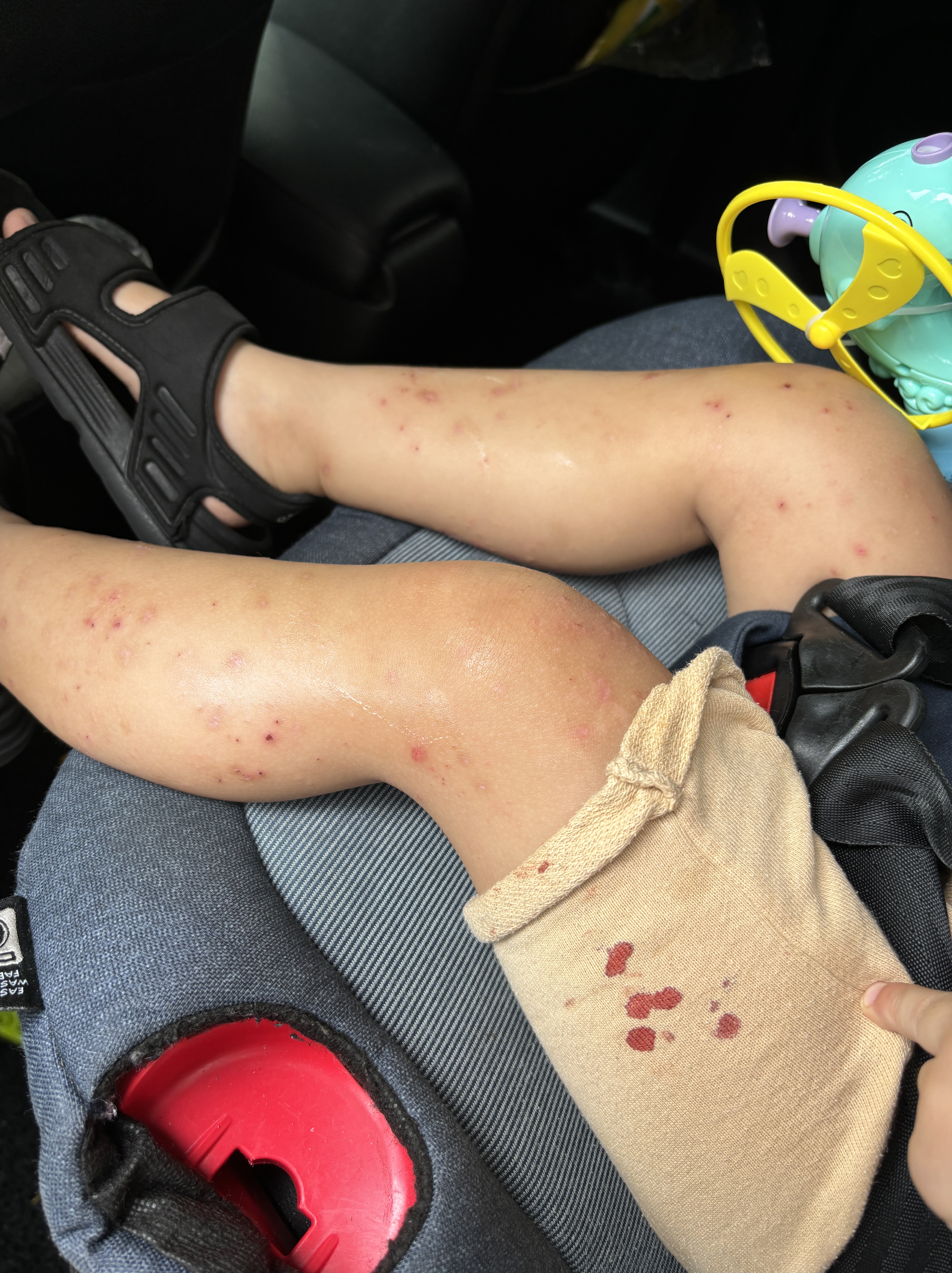
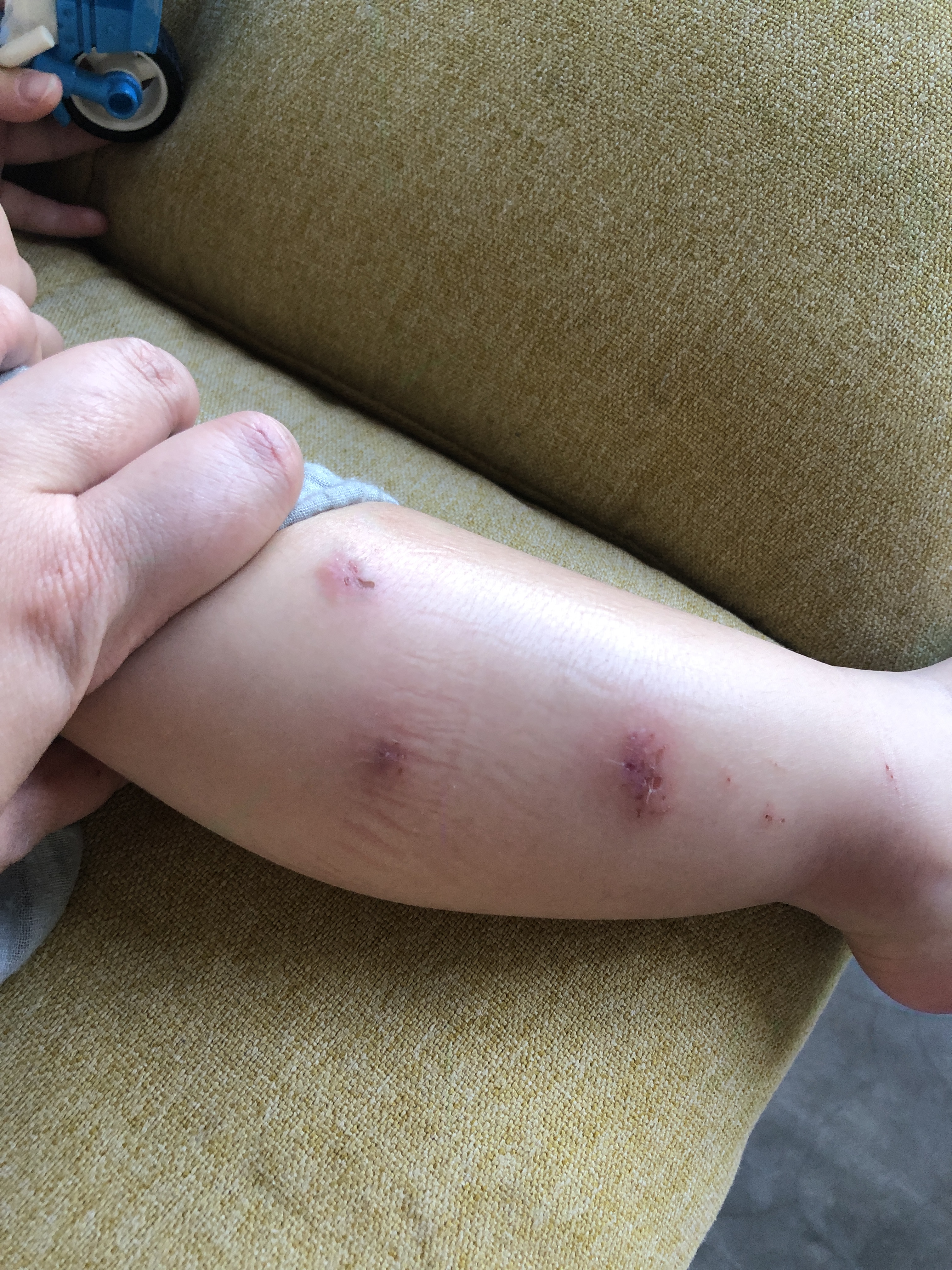
If your child’s mosquito bites swell up a lot — turning red, hot, and puffy — you might be dealing with something called Skeeter Syndrome.
It sounds a little silly (like a nickname for a mosquito), but it’s actually a real allergic reaction to mosquito saliva — and it can be quite uncomfortable.
Over the years, I’ve tried to reassure myself that it looks worse than it really is. But I still feel *heartpain* whenever I see their open, sore wounds and the scars that take weeks to fade. It’s hard not to feel helpless when all they did was play outside.
What is Skeeter Syndrome?
Skeeter Syndrome is a localised allergic reaction that causes intense swelling, redness, and sometimes even blistering after a mosquito bite.
Common symptoms include:
- A huge, raised welt (sometimes the size of a coin or larger)
- Redness and warmth around the bite
- Swelling that worsens over 1–2 days
- A low-grade fever (in some cases)
It can even be mistaken for an infection, but it’s not caused by bacteria, just a strong immune response.
It got so bad for us that I actually kept an album of their bites!
Who gets it?
Skeeter Syndrome is more common in young children or people who are particularly sensitive to mosquito proteins. Some kids outgrow it as they get older and their immune systems become less reactive.
We’ve seen our family doctor many times for this — and each time, she’s reassured us that kids will usually outgrow it. That’s been true for us: our eldest already gets fewer reactions now, and they’re much milder than before.
When should you see a doctor?
- The swelling is spreading rapidly
- There’s pus or the area feels very hot (possible infection)
- Your child develops a fever over 38.5°C
- You’re just not sure — trust your gut!
What helps (and what to expect)
Most cases can be managed at home. Here’s what helps:
Antihistamines
A child-safe oral antihistamine can reduce the allergic response. We use Zyrtec.
Anti-itch cream
Calamine lotion or hydrocortisone cream (if approved by your doctor) can provide relief.
Cool compress
Apply a cold pack wrapped in a cloth to ease swelling and itching. My kids love this, it made them feel like they’re doing something to actively stop the itch.
Rest and watch
Monitor the area — it may look alarming but should improve in 2–3 days.
Little Notes
Prevention is key. All the best home remedies cannot win prevention. In the end, these worked best for us!
Use child-safe insect repellents: We use both spray and lotion, and find patches useless. Always follow age guidelines and apply to clothes or exposed skin.
Dress your child in long sleeves and pants when outdoors: We follow this religiously. Even when our child is in preschool, they wear leggings under their school uniform — it’s made a huge difference.
DISCLAIMER:
This post is written from one parent to another, based on lived experiences. It’s meant to offer comfort and support — but not to replace medical advice. If you’re unsure about your child’s symptoms or care, please consult your doctor or a healthcare professional you trust.







 This Little Season